
 100,000+ lines in Stock
  ISO 9001
  Next Day Delivery
  4.6 Customer Rating


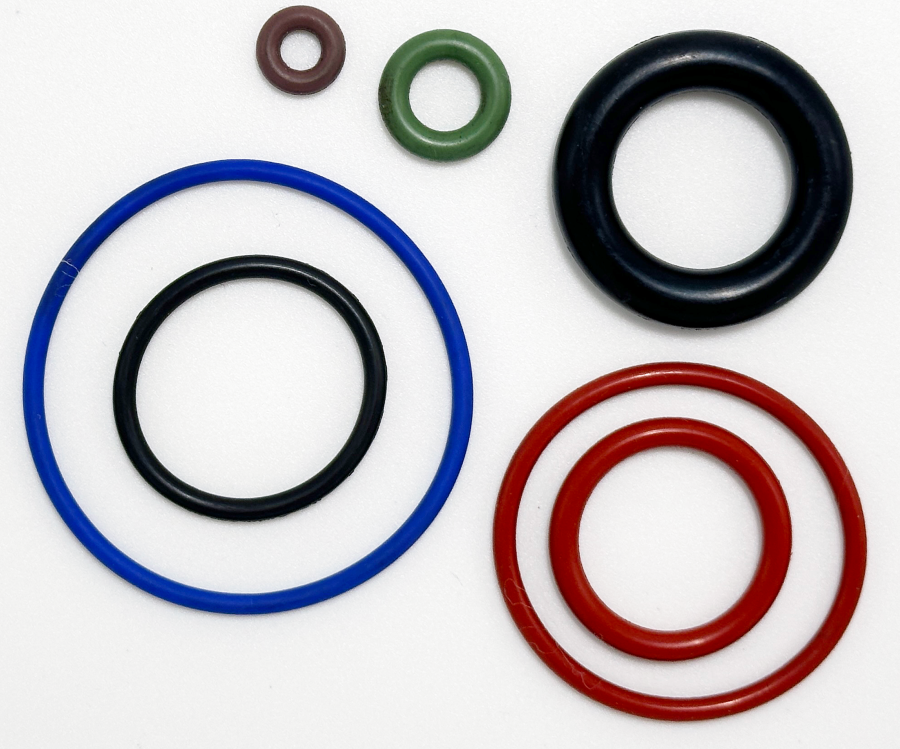
Different elastomers behave differently in cold environments, and understanding how they retain their flexibility is essential for ensuring long-term sealing performance.
One of the most widely recognised methods for evaluating the low-temperature performance of rubber compounds is the TR10 (Temperature Retraction – 10%) test. Standardised by ASTM D1329 and ISO 2921, TR10 provides engineers with a repeatable method for comparing how elastomers recover after exposure to low temperatures.
Whether you are specifying seals for refrigeration systems, LNG equipment, aerospace components or industrial hydraulics, understanding the TR10 test can help you make more informed material selection decisions.
What is the TR10 Test?
The Temperature Retraction (TR10) test measures the temperature at which a stretched rubber specimen recovers 10% of its original elongation after being frozen.
Unlike simple flexibility tests, TR10 measures elastic recovery, making it one of the most useful indicators of an elastomer's behaviour at low temperatures.
In general, the lower the TR10 value, the better the material maintains its elasticity in cold environments.
TR10 is used to compare different elastomer compounds during material selection, particularly where reliable sealing at sub-zero temperatures is critical.
How is TR10 Test Performed?
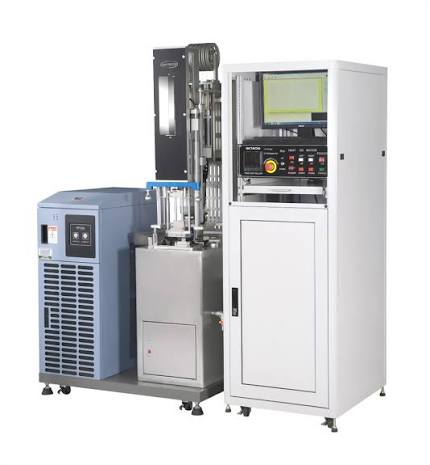
The procedure is defined in ASTM D1329 and ISO 2921 and follows a carefully controlled process.
- A standard rubber test specimen is stretched by either 25% or 50%.
- While stretched, the specimen is cooled to well below its expected TR10 temperature, freezing the deformation in place.
- The sample is then warmed at a controlled rate.
- As the elastomer regains flexibility, it begins to retract.
- The temperature at which the specimen has recovered 10% of its original stretch is recorded as the TR10 value.
Because the test is performed under controlled laboratory conditions, it allows different elastomer compounds to be compared consistently.
Why is TR10 Important?
An O-ring seals by remaining elastic enough to maintain contact with the mating surfaces.
As temperatures fall, elastomers gradually stiffen. If they become too rigid, sealing force decreases and leakage may occur.
TR10 testing allows material comparison before specifying them for service.
Typical uses include:
- Comparing elastomer compounds
- Selecting materials for cold climates
- Verifying material performance against customer specifications
- Supporting quality control during compound development
- Predicting low-temperature flexibility
Although TR10 is widely used throughout the sealing industry, it should be viewed as one material property rather than a direct measure of sealing performance.
Typical TR10 Performance of Common O-Ring Materials
Different elastomers recover at different temperatures depending on their polymer chemistry and formulation.
| Material | Typical TR10* | Typical Applications |
|---|---|---|
| Silicone (VMQ) | -60°C to -70°C | Medical, aerospace, environmental sealing |
| Fluorosilicone (FVMQ) | -55°C to -65°C | Aviation, fuel systems |
| EPDM | -45°C to -55°C | HVAC, refrigeration, water systems |
| HNBR | -35°C to -45°C | Industrial machinery, oil & gas |
| NBR (Nitrile) | -25°C to -35°C | Hydraulic and pneumatic equipment |
| FKM (Viton®) | -10°C to -20°C | Chemical processing, high-temperature service |
Typical vales vary depending on compound formulation
Does TR10 Equal the Minimum Operating Temperature?
One of the most common misconceptions is that an O-ring stops working once the ambient temperature reaches its TR10 value.
This is not what the test measures.
TR10 is a material comparison test, not a sealing performance test.
In practice, an O-ring's ability to maintain a seal depends on many additional factors, including:
- Gland design
- Compression
- Internal pressure
- Surface finish
- Dynamic or static operation
- Thermal cycling
- Media compatibility
Although O-rings can often continue to provide an effective seal below their published TR10 value, particularly in static applications, this should never be assumed.
Actual low-temperature performance depends on factors such as seal design, operating pressure, thermal cycling, media compatibility and whether the application is static or dynamic. For critical applications, material suitability should always be verified through testing or consultation with the manufacturer.
What Factors Influence Low-Temperature Sealing?
Even when two O-rings are manufactured from the same material, their real-world performance can vary depending on the application.
Some of the most important considerations include:
- Material formulation – Different compounds of the same polymer can have significantly different TR10 values.
- Cross-section – Larger cross-sections cool more slowly and may respond differently.
- Compression – Higher compression can help maintain sealing force.
- Pressure – Internal pressure can improve or reduce sealing performance depending on the application.
- Operating media – Some fluids alter the mechanical behaviour of elastomers.
- Thermal cycling – Repeated cooling and heating may affect long-term performance.
This is why TR10 should always be considered alongside the application's operating conditions.
Is TR10 the Same as Glass Transition Temperature?
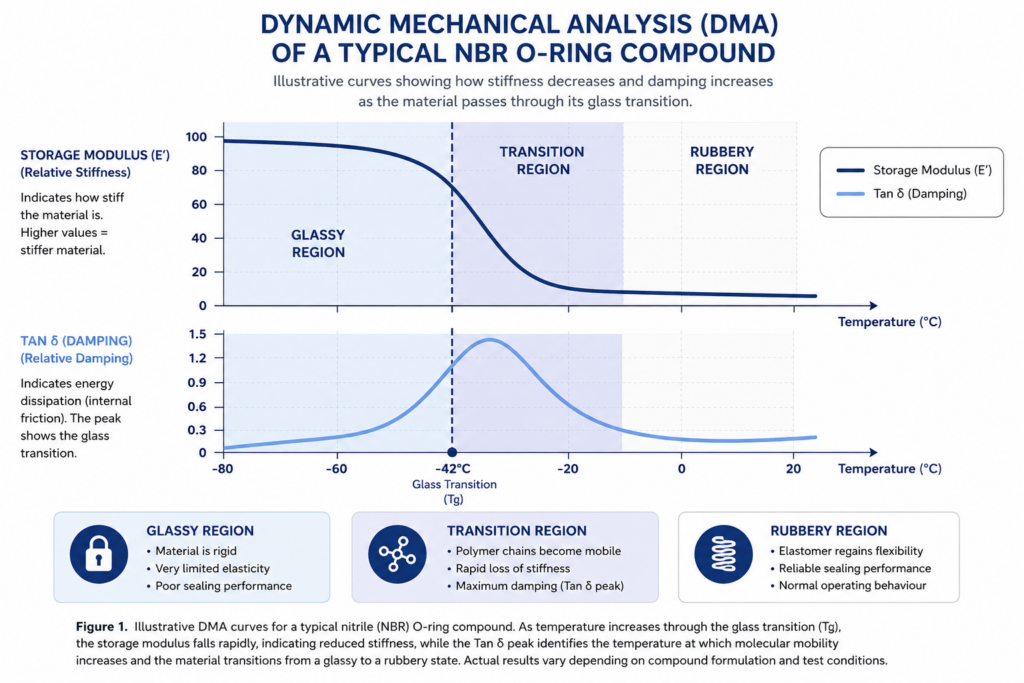
Although often mentioned together, TR10 and Glass Transition Temperature (Tg) measure different material properties.
The Glass Transition Temperature is a fundamental polymer property that describes when the material begins transitioning from a flexible rubber to a rigid, glass-like state.
TR10, however, measures elastic recovery after freezing, making it much more useful when selecting O-ring materials for engineering applications.
In other words:
- Tg explains why the material changes.
- TR10 measures how the material behaves in practice.
TR10 is generally considered the more useful value.
Is There Such a Thing as a "TR10 Valve Test"?
The phrase "TR10 valve test" is occasionally used online, but it can be misleading.
There is no separate TR10 valve test defined in ASTM D1329 or ISO 2921.
The confusion likely arises because valve manufacturers often specify O-rings based on their TR10 performance when designing equipment intended for cold environments.
However, TR10 should never be considered in isolation. Successful O-ring selection also depends on chemical compatibility, mechanical properties, operating pressure, seal design and the overall service environment.
When used alongside other material data, TR10 helps make informed decisions that improve sealing reliability, extend service life and reduce the risk of failure in low-temperature applications.
If you are selecting O-rings for refrigeration systems, industrial equipment, cryogenic processes or other cold-service applications, understanding TR10 is an important step towards choosing the right material.
For more information contact our team of experts on +44 (0) 1420 474 123 or via e-mail here.